Introduction


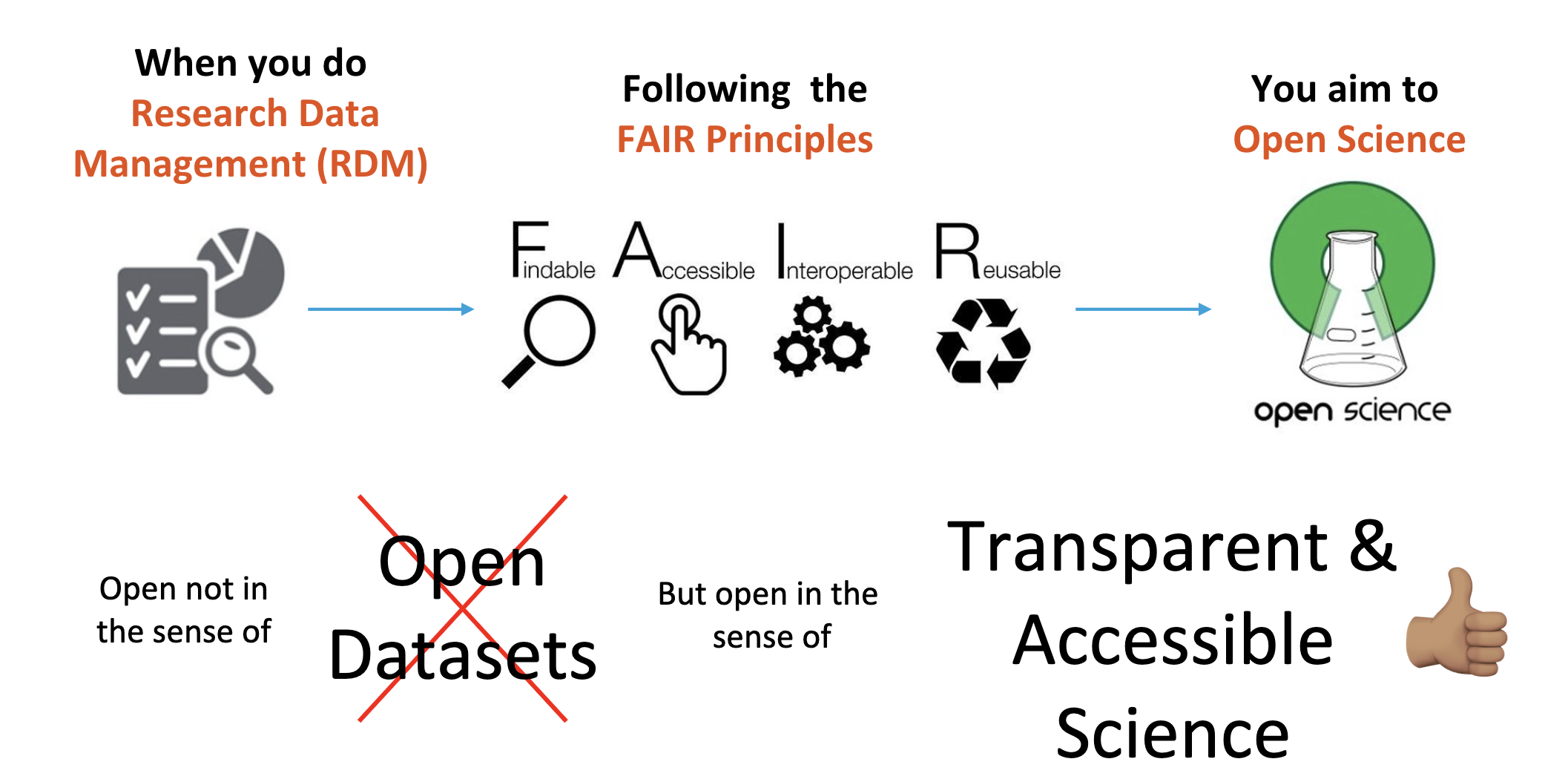
Figure 1

Diagram connecting FAIR and Open Science concepts
FAIR and Open Science

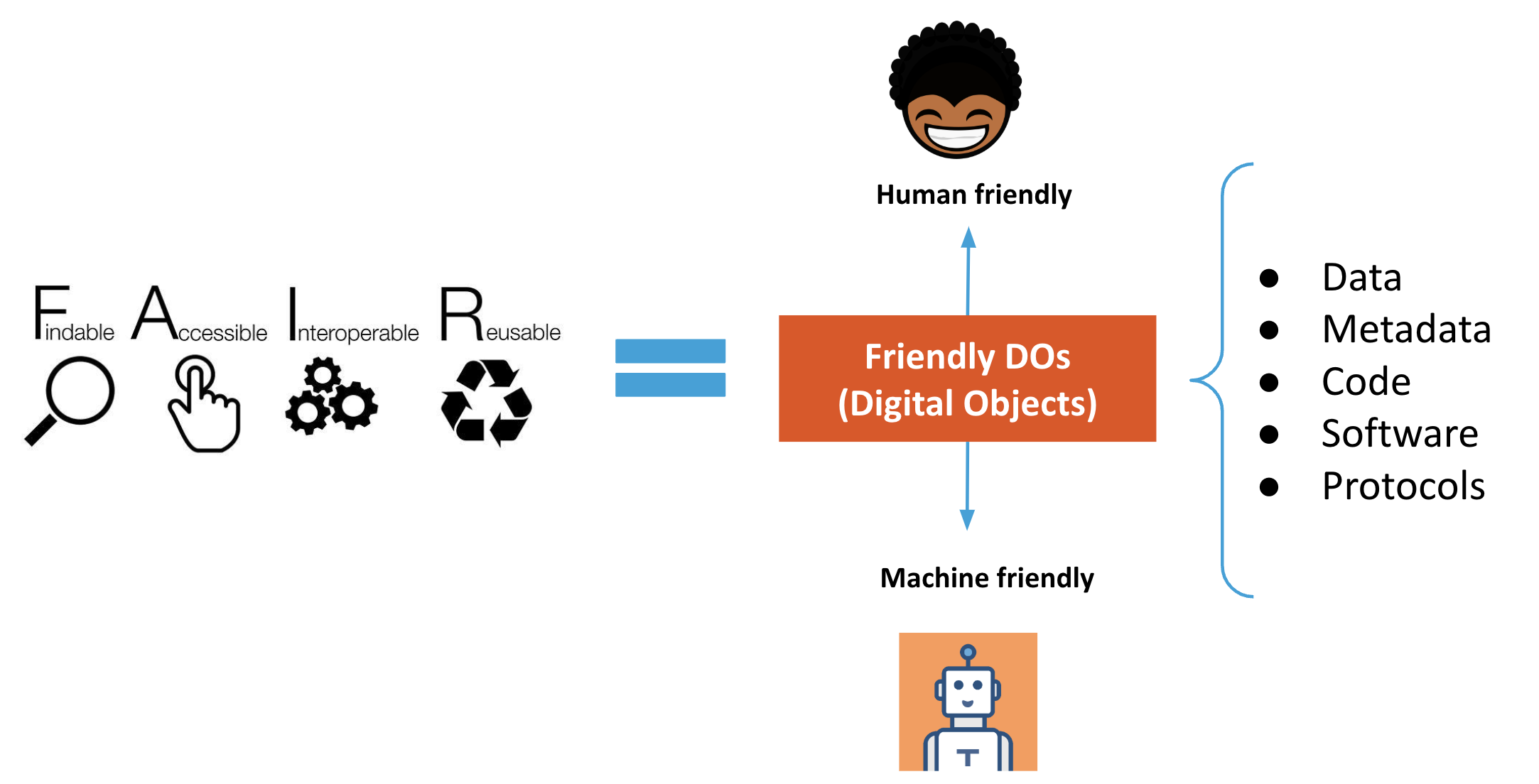
Figure 2

Illustration about machine-friendly digital objects
Machine-friendly digital objects

Set up your own terms


Figure 1
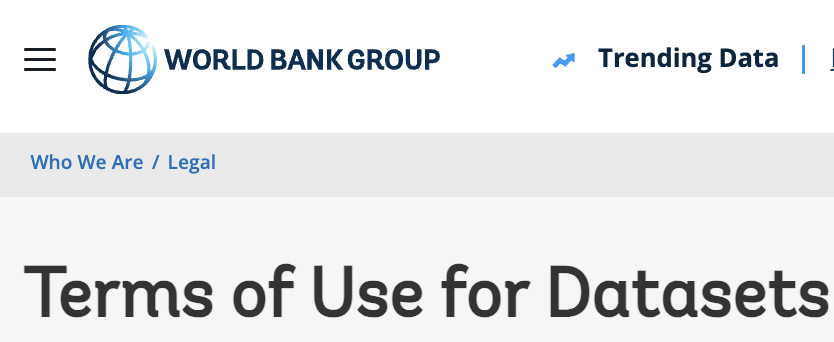
Screenshot of a data terms of use page
Terms of use example from the World Bank

Figure 2
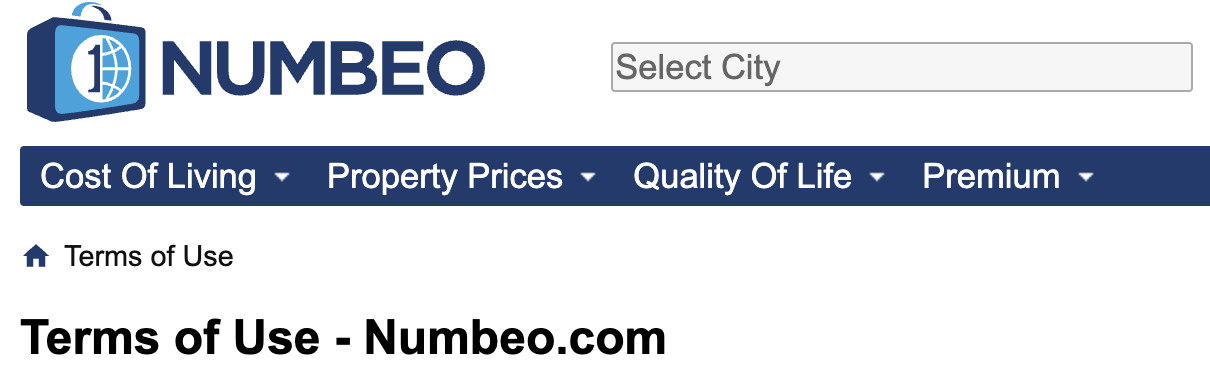
Screenshot of another terms of use page
Terms of use example from Numbeo

Figure 3
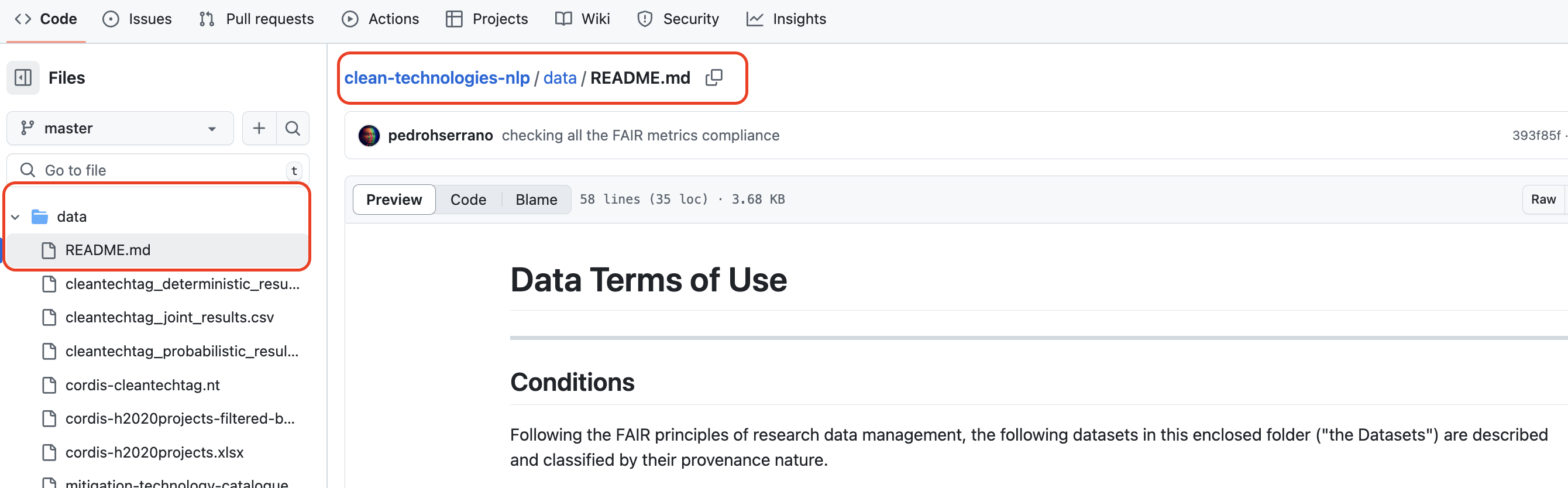
Folder structure containing a README or license file
Folder layout showing terms of use documentation

Figure 4
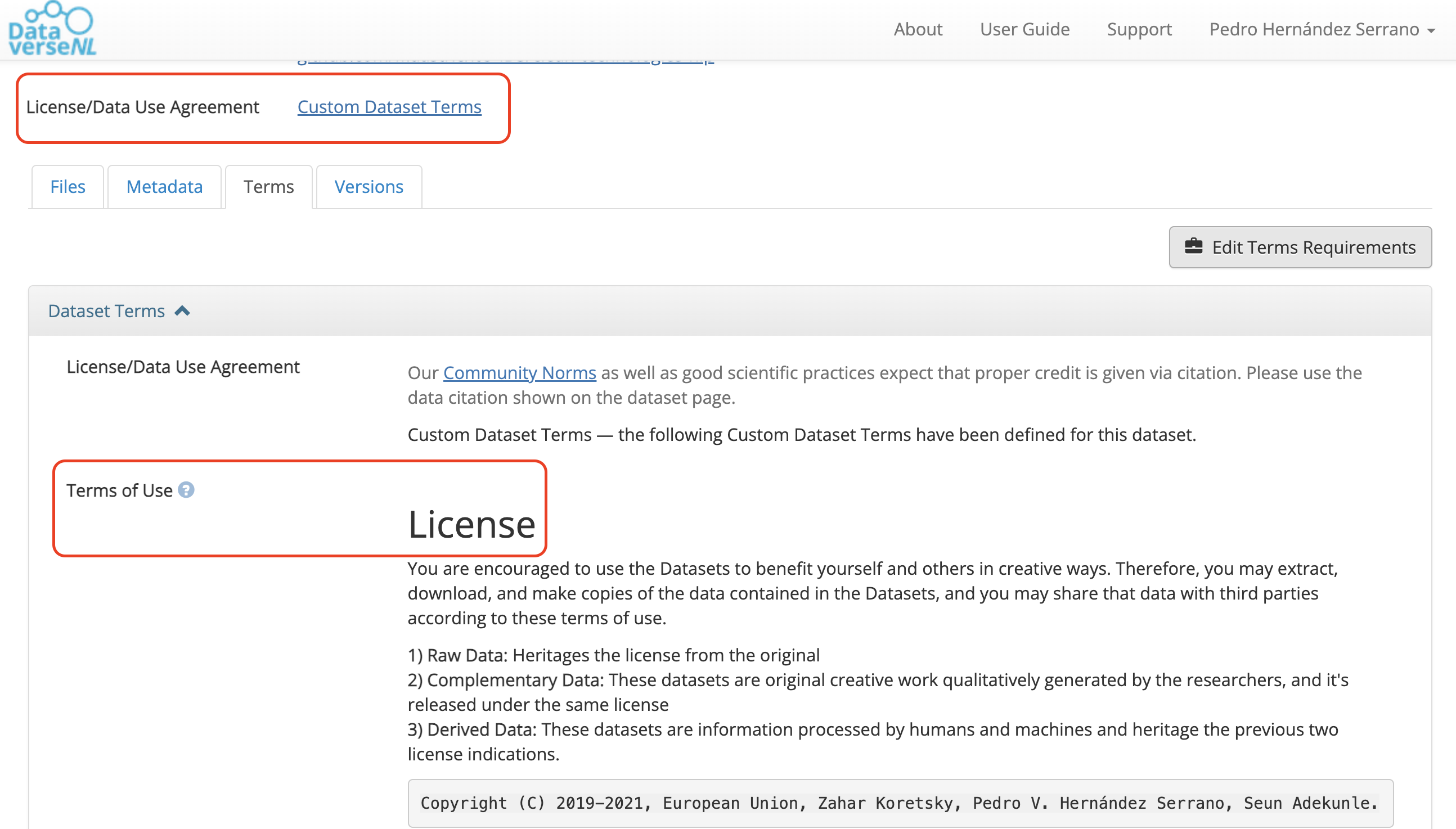
Repository interface showing license and terms options
Terms and license settings in a repository interface

Speak the same language


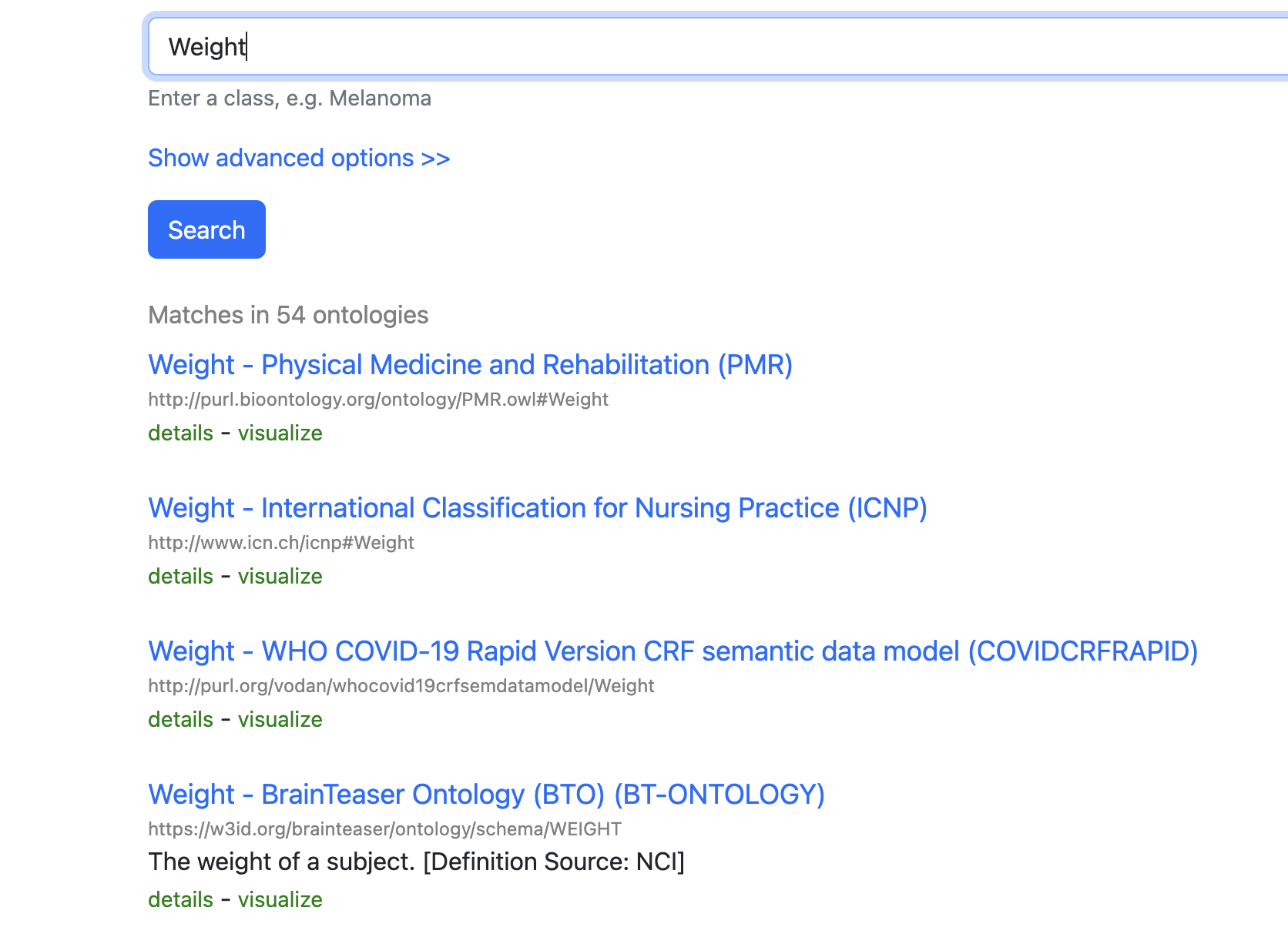
Figure 1
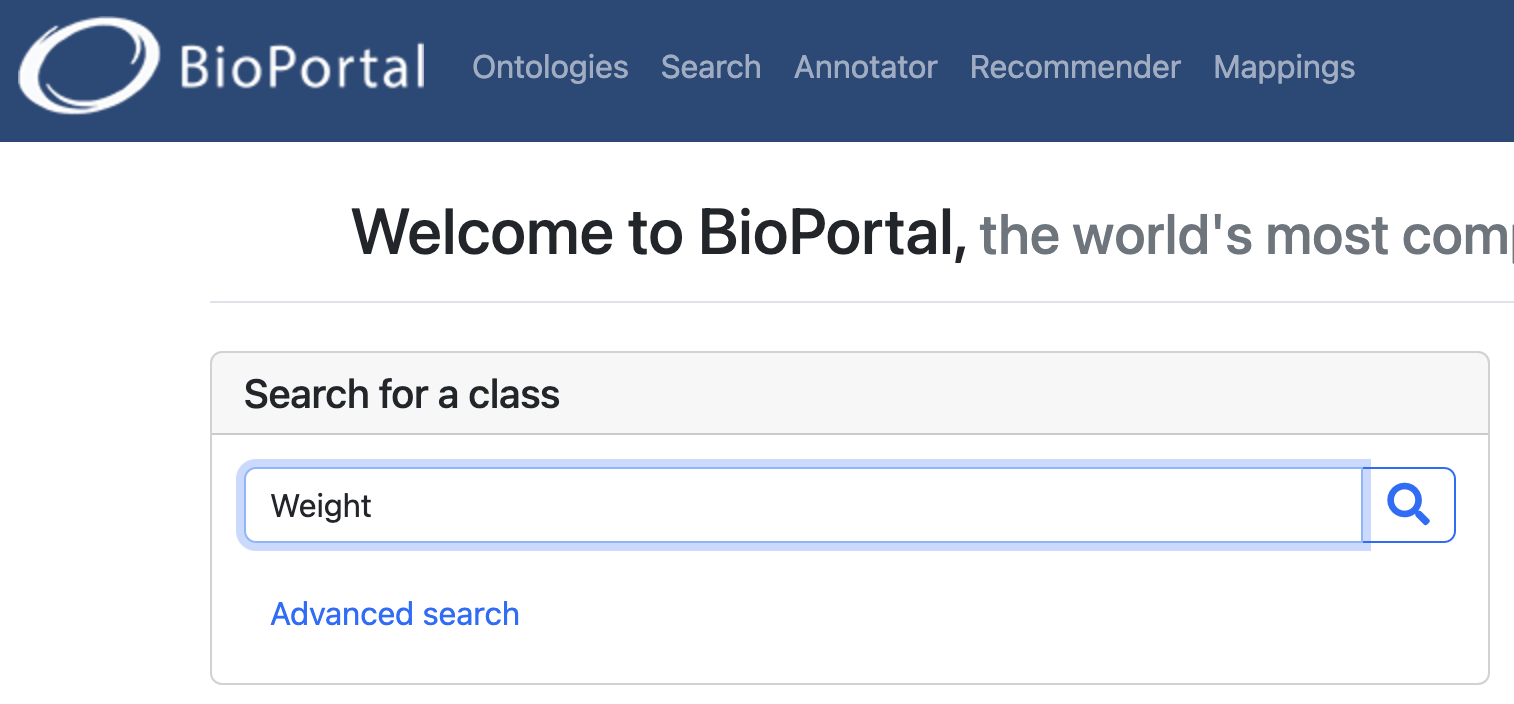
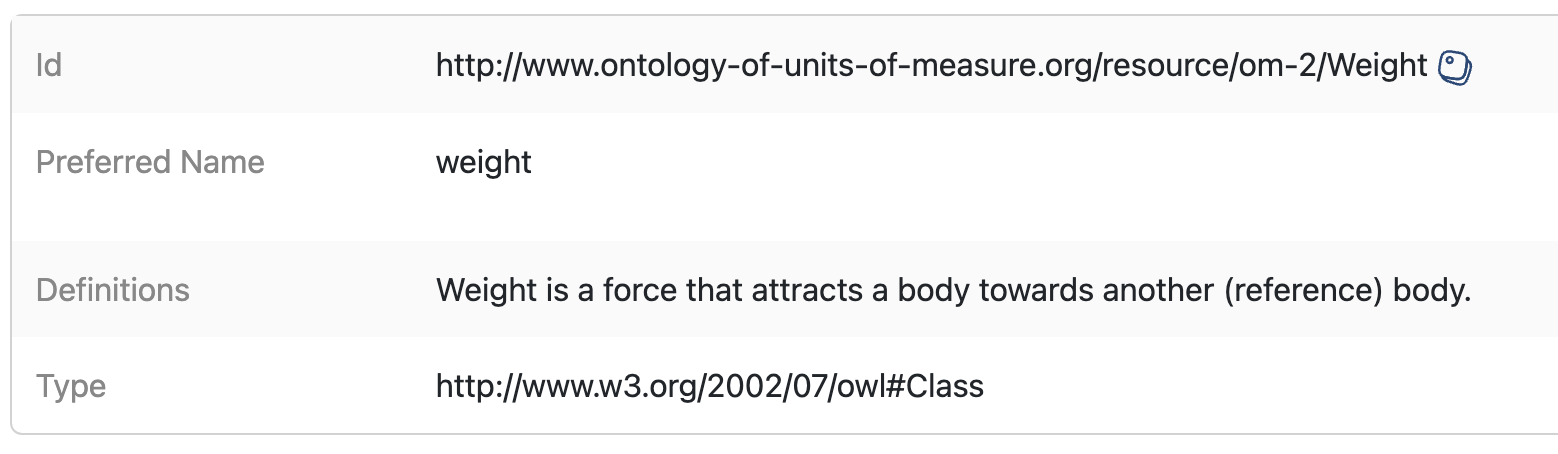
BioPortal search results interfaceDifferent ontology matches for the same conceptOntology entry with persistent identifier


Figure 2

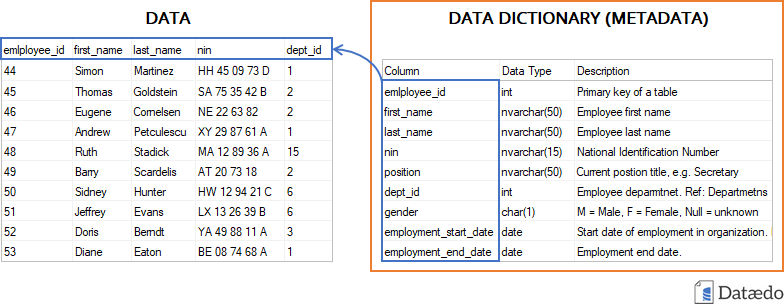
Illustration comparing data and data dictionary concepts
Example of a data dictionary table

Securely share


Figure 1

Electronic access control system with keypad
Electronic access control system

Figure 2
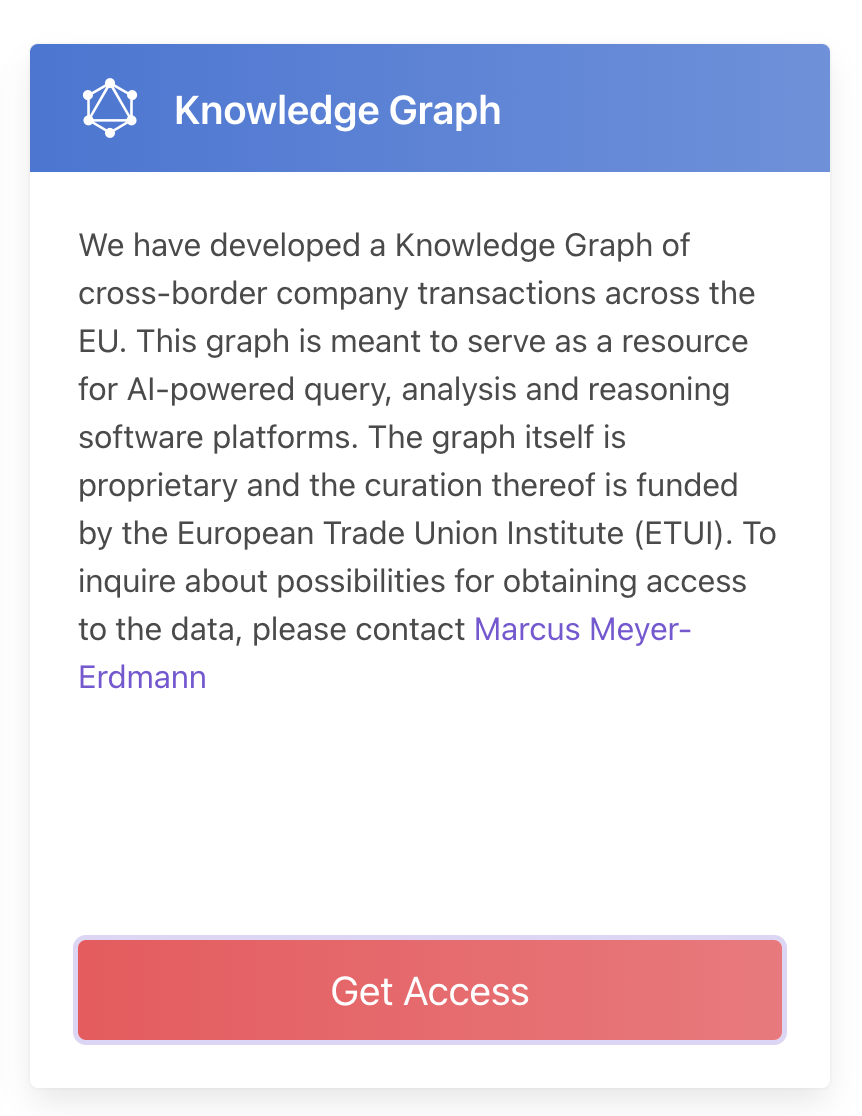
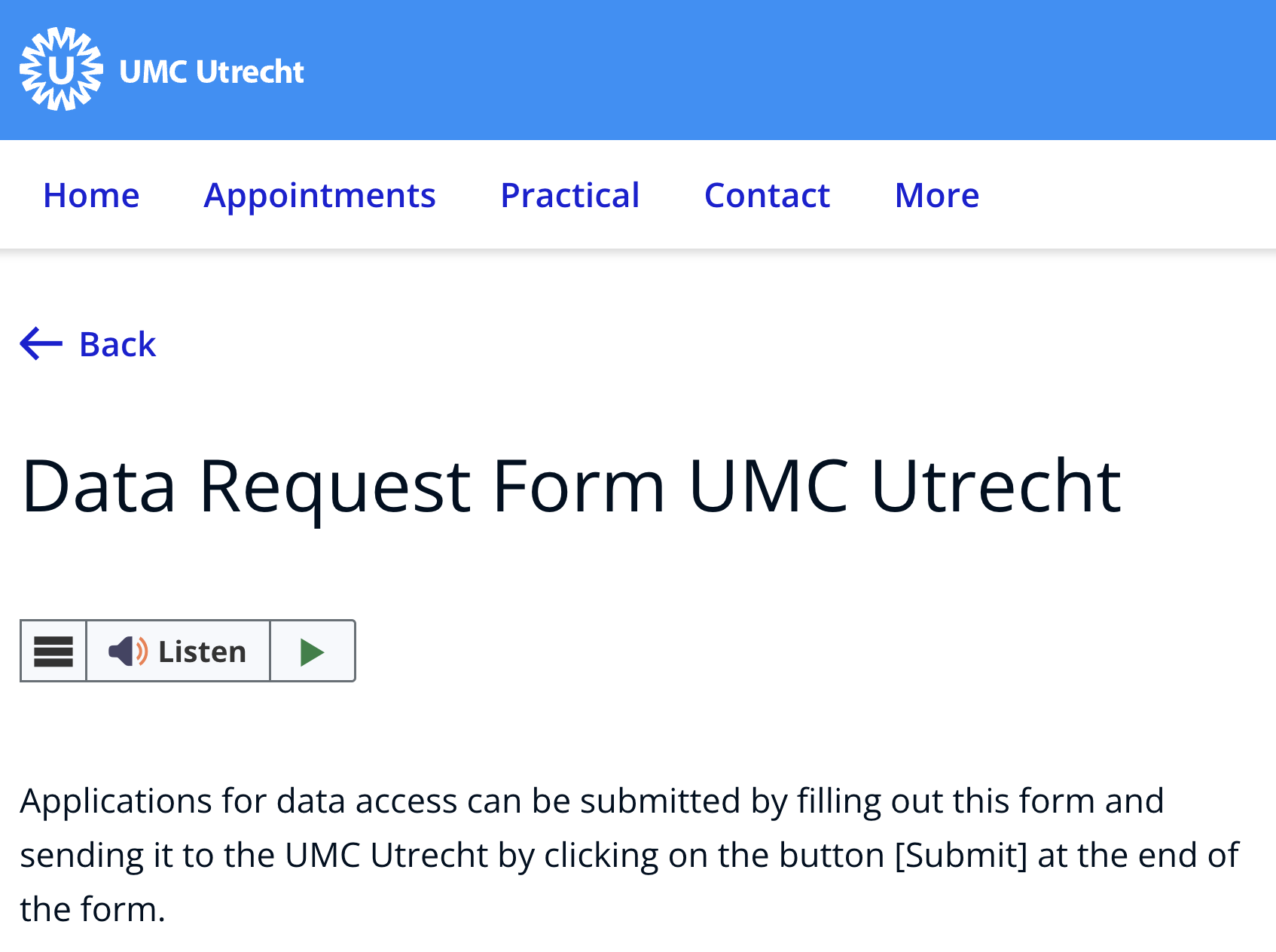
Example of a human-oriented access workflowScreenshot of a human-facing data request form


Figure 3

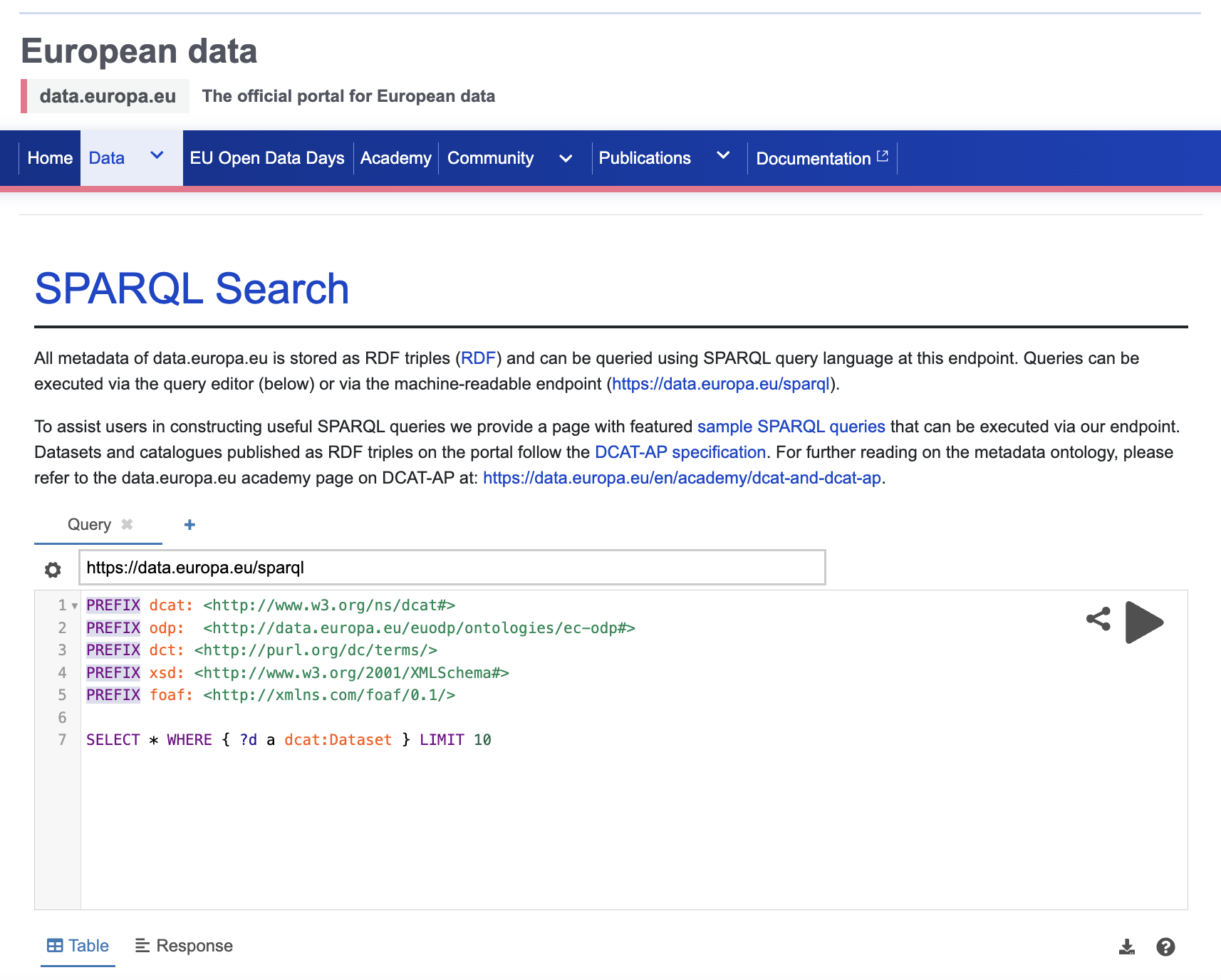
Screenshot of a SPARQL endpoint example
EU public data SPARQL example

Publish and preserve


Figure 1
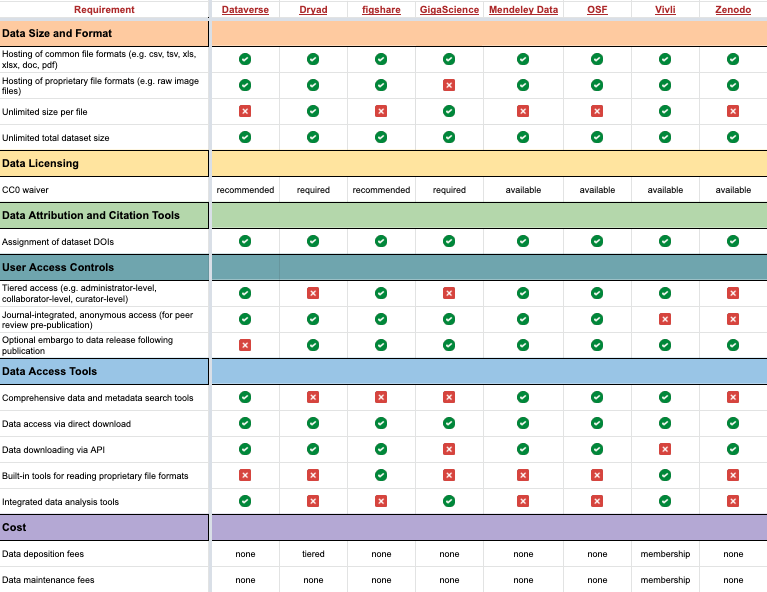
Comparison chart of repository options
Repository comparison matrix

Figure 2
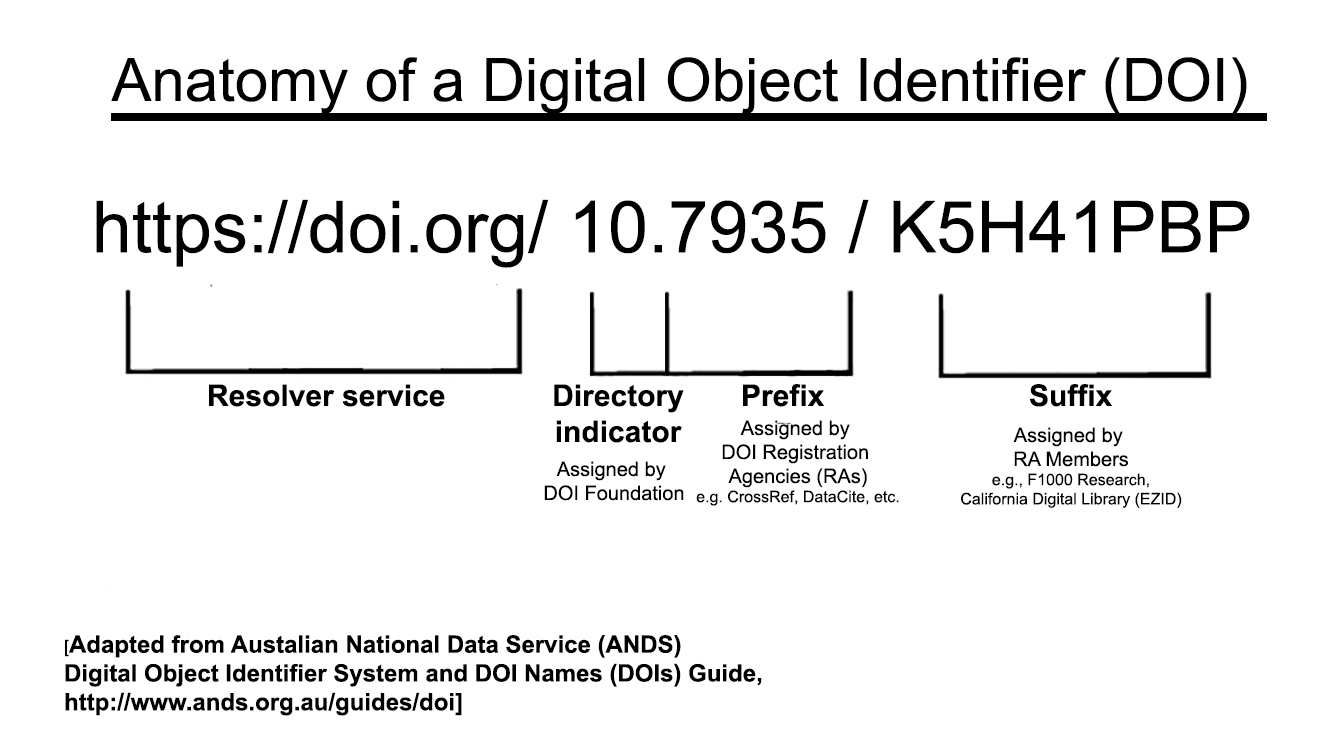
Illustration of DOI components
Diagram explaining DOI structure

Make machines work for you


Figure 1
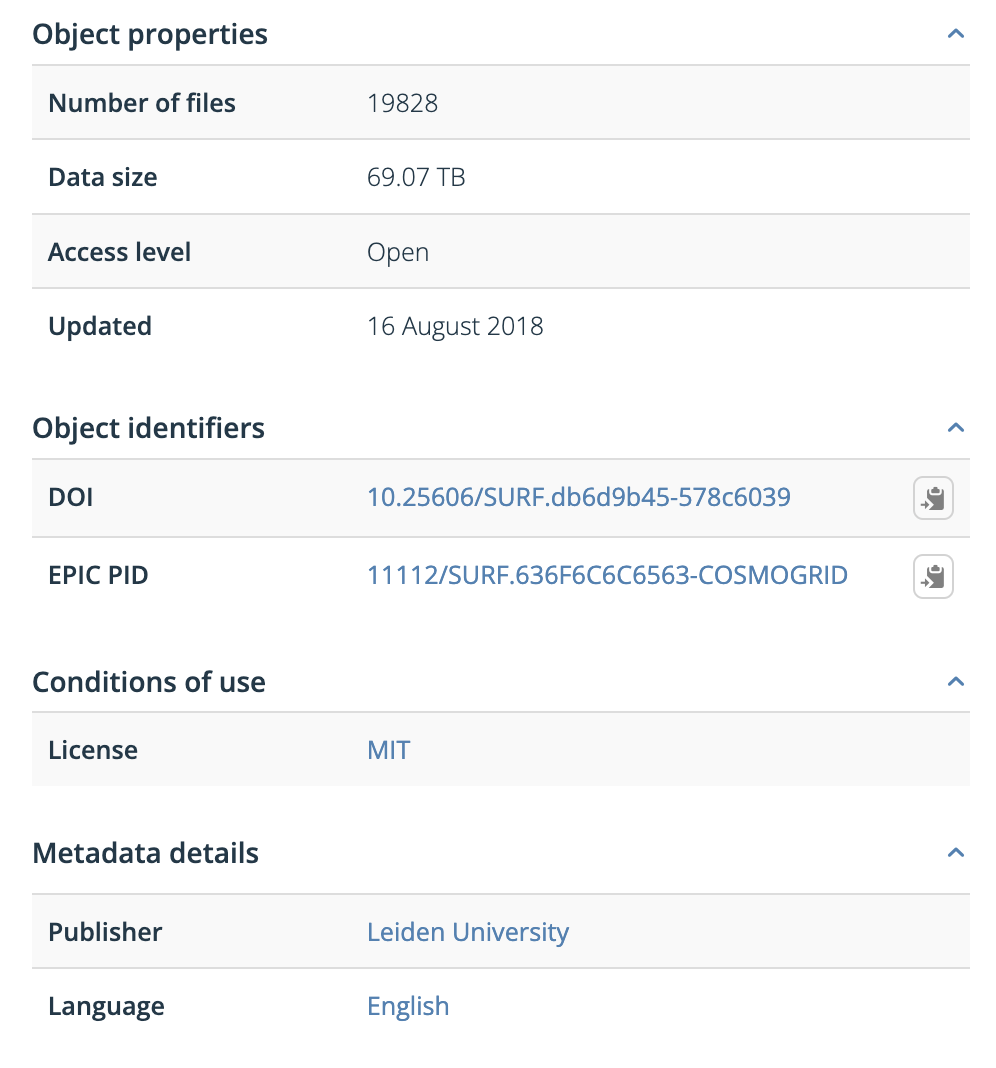
Example of metadata fields shown in a repository
Repository metadata example

Figure 2

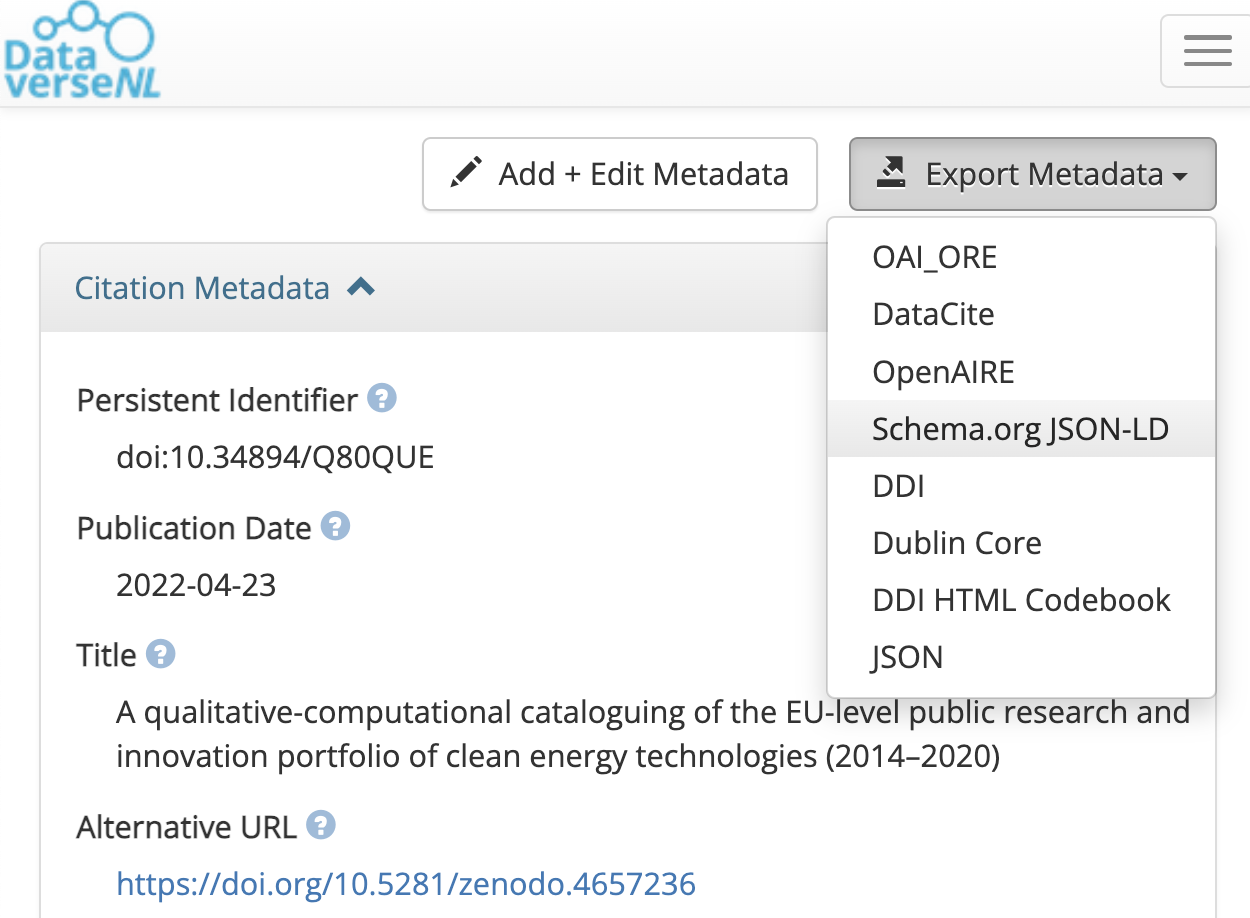
Repository export interface showing JSON-LD options
Exporting JSON-LD metadata from a repository

Responsibly reuse


Figure 1
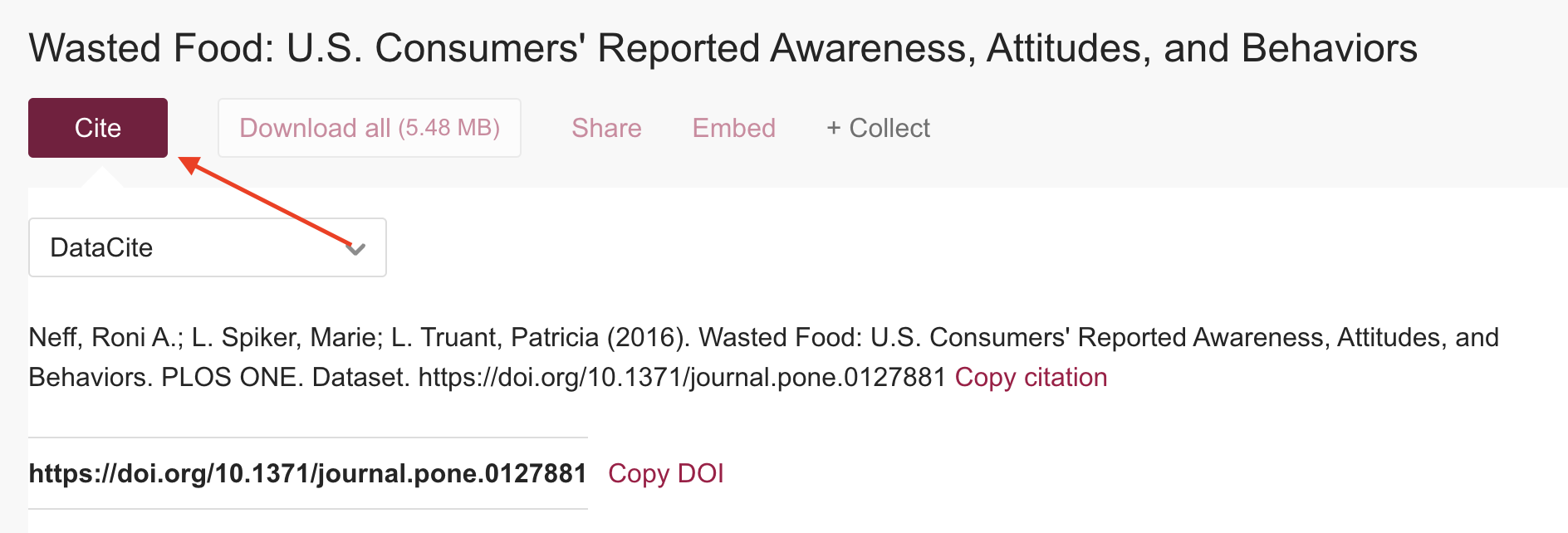
Dataset repository page with citation tools
Repository interface with citation export options

Figure 2
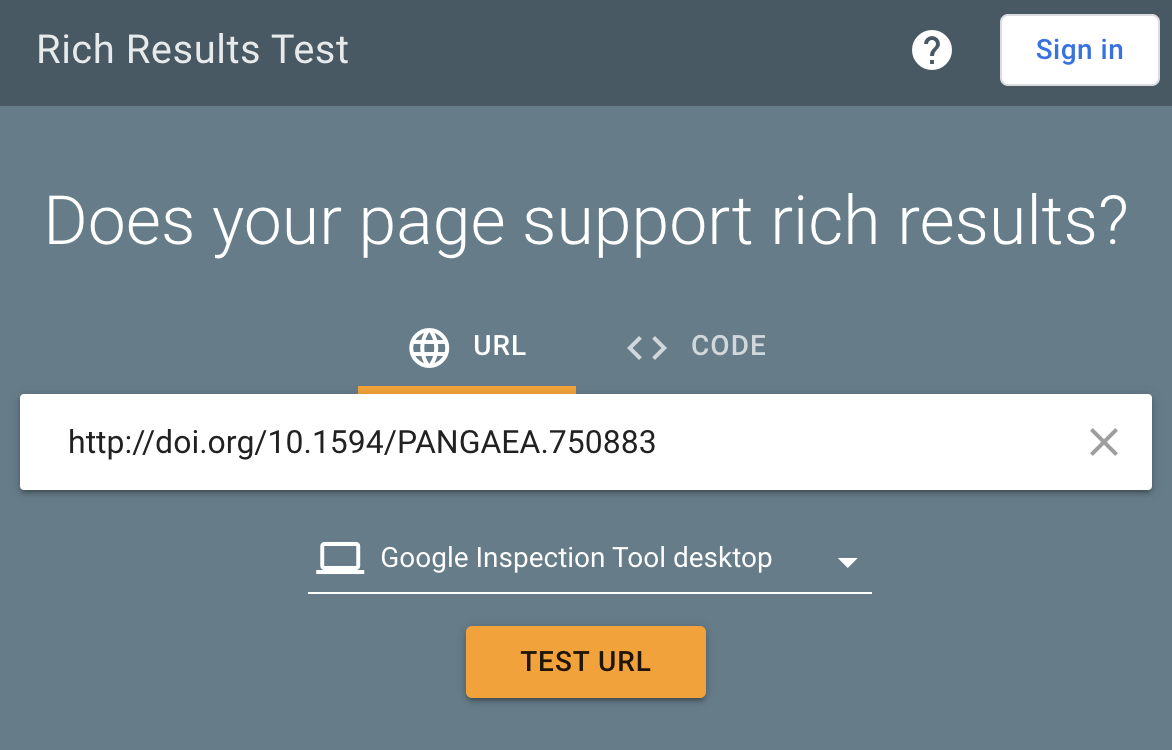
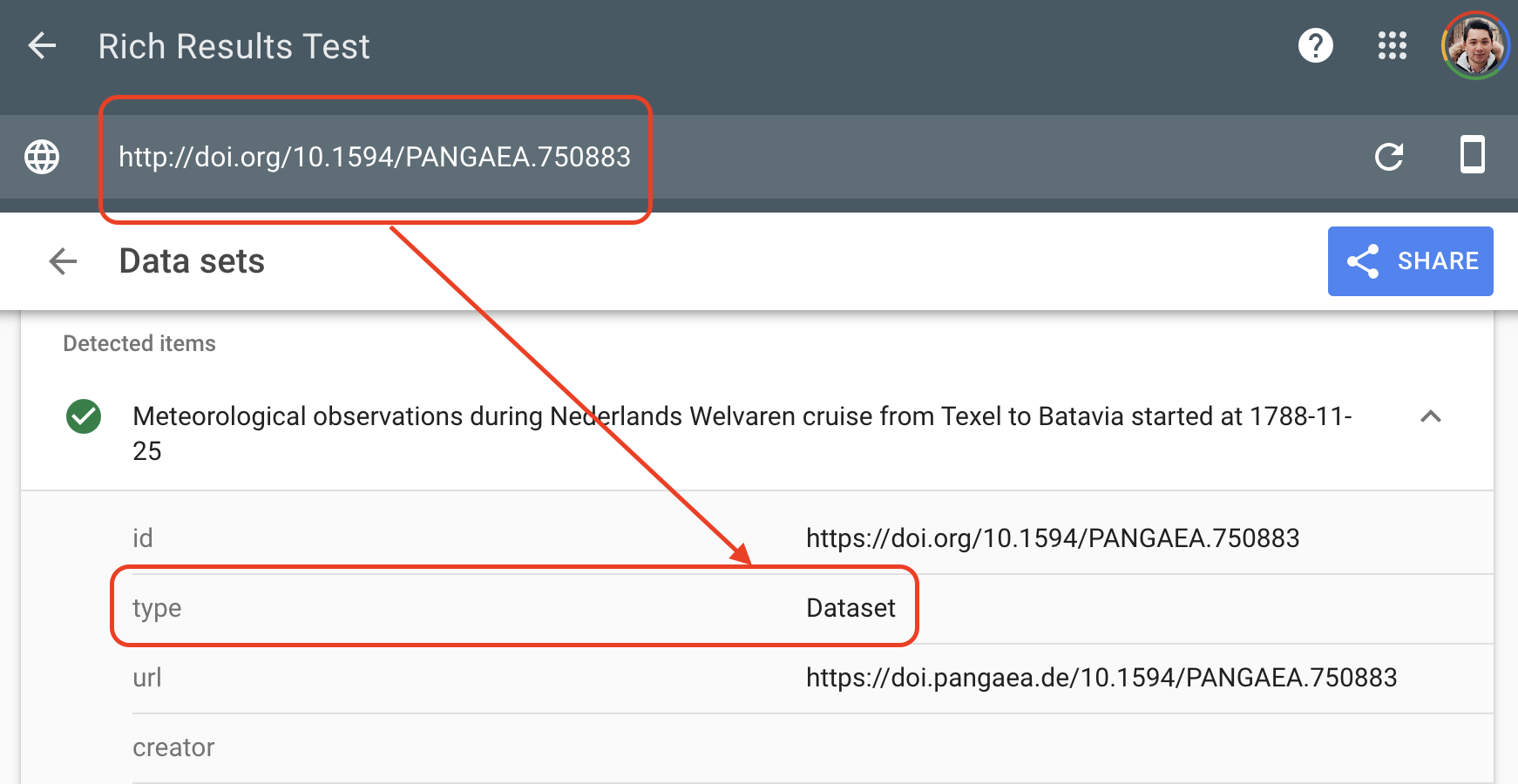
Entering a dataset URL in Google Rich Results TestTest results after checking a dataset URL